
Bruxism: involuntary tooth grinding
Bruxism is a functional disorder that is not widely understood. To help inform the public, we have brought together relevant information on the subject.
This comprehensive guide will help you understand a problem often encountered in dentistry.
What exactly is bruxism?
Bruxism refers to grinding or clenching the teeth outside the periods of chewing or swallowing when teeth naturally touch. It can occur during the day or at night, but grinding is more common during sleep.
Reference: https://www.maboucheensante.com/article/le-bruxisme/
Bruxism affects both men and women and can also occur in childhood, which makes treatment important.
Types of bruxism
There are two types of bruxism:
- Dynamic bruxism: the upper teeth rub against the lower teeth, producing noticeable and disturbing grinding sounds.
- Static bruxism: the jaw is clenched without making an audible sound.
What are the symptoms?
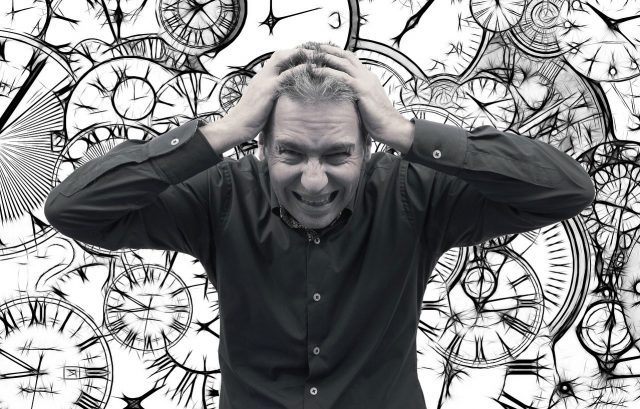
Because this is an involuntary habit, people affected by bruxism may not realize they have it.
Uncontrolled clenching and grinding may occur at different times during the day or night. When it happens at night, it is called sleep bruxism.
Because it places pressure on the teeth and jaw structures, some of the following symptoms may occur:
- Rhythmic contraction of the jaw muscles
- Localized jaw pain
- Facial pain
- Headaches
- Neck pain
- Tooth pain
- Worn teeth
- Temporomandibular joint problems
- Swelling
- Ear pain
- Discomfort during meals
- Tooth hypersensitivity to heat, cold or sweet foods
- Discomfort when chewing or speaking
- Difficulty sleeping
- Pain at the back of the neck or in the shoulders
- Stress and ongoing tension
- Anxiety
- Cracked teeth
- Tooth fractures
If you have some of these symptoms, you may have this disorder. Consulting your dentist for an accurate diagnosis is strongly recommended. Your dentist can advise you on the treatment to consider.
Its consequences
Although bruxism is mild in most cases, it is important to treat it because it can seriously affect oral and overall health over time.
People with advanced bruxism can wear down their teeth prematurely and damage fillings. Bruxism also wears away the outer enamel layer, which can eventually lead to tooth sensitivity and related pain.
It is associated with jaw dysfunction, including temporomandibular joint disorders.
It also damages the bone supporting the tooth and causes joint problems, such as temporomandibular joint syndrome.
It can lead to erosion of tooth enamel and eventually dentin, as well as cracks or partial destruction of teeth, bridges or implants. It can also contribute to teeth becoming loose and to tooth loss.
In some cases, grinding becomes severe enough to cause tension and pain extending to the neck and shoulders.
Causes associated with bruxism
Although the exact cause of bruxism has not been clearly established, it has been linked to a combination of factors.
Some experts describe it more as a bad habit, while others link it to the following causes:
Primary causes
Primary causes involve psychosomatic manifestations such as:
- Stress, anxiety, frustration and suppressed anger
- Hyperactivity syndrome
- Symptoms of certain rare neurological disorders and disorders of the facial muscles
- In rarer cases, a side effect of antidepressants, particularly Prozac (fluoxetine), Paxil (paroxetine) and Zoloft (sertraline)
- A complication of Huntington’s or Parkinson’s disease resulting from neurological degeneration
Secondary causes
These causes originate in dental disorders such as:
- Malocclusion, when the teeth and jaw do not align properly
Lifestyle may also play a role, including alcohol, tobacco and drug use because of their chemical effects.
Bruxism often begins after a build-up of stress, tension or anxiety. It can also follow joint or neck trauma, for example after a road accident, or occur after preoperative anaesthesia.
A genetic predisposition may also exist: children of people who grind their teeth may be more likely to be affected.
Other potential triggers
In addition to stress, which is considered a major trigger, the following factors may increase the risk:
- Bite problems
- Misaligned teeth
- Excessive caffeine or alcohol consumption
- Poor diet
- Smoking
- Poor body posture
- Poor sleep habits
- Sleeping on your back, which allows a back-and-forth movement
Diagnosis
Your dentist is qualified to assess and diagnose this condition. Together with your physician, they are an important partner in preventing and treating bruxism.
With sleep bruxism, it is often a partner disturbed by nighttime grinding who first alerts the person affected.
Some sleep clinics can also help diagnose the disorder accurately using technology that records rhythmic muscle activity. Recording grinding and other sounds during sleep can also help document the diagnosis.
Bruxism is not incurable. It may also be episodic and occur only once in a person’s life, for example during childhood.
Treatment
People affected should consult their dentist and, when needed, their physician to understand the reasons for the problem.
The dentist may need to repair teeth or fillings damaged by grinding. They can offer useful advice to reduce its effects on the teeth and address stress.
For example, your dentist may recommend exercises to relax the jaw muscles throughout the day.
For sleep bruxism, a practical solution is a professionally made mouthguard. This occlusal splint prevents the teeth from rubbing against each other during sleep.
Your physician can review your overall health and medications with you and refer you to other health professionals who can help with stress or anxiety management.
Relaxation techniques could greatly improve the condition of people affected by bruxism.
Some studies have shown that hypnosis can improve bruxism symptoms and sleep in people with the nighttime form.
Other tips
- Reduce consumption of certain foods, such as chocolate.
- Limit alcoholic and caffeinated drinks.
- Avoid chewing food too forcefully.
- Practise self-massage and stretching to restore normal balance in muscle and joint activity.
- Choose a healthy diet and relaxation exercises.
Is there a connection with sleep disorders?
The connection between bruxism and sleep disorders is clear.
Bruxism can worsen the following problems:
- Insomnia
- Snoring
- Chronic nasal congestion
- Sleep apnea
Sleep bruxism occurs during REM sleep. It therefore affects the quality of rest and prevents sleep from being restorative.
Bruxism is often the tip of the iceberg: it may be the first visible sign of a more significant problem. The jaw may not be the only area affected by contractions; another part of the body, such as the legs, or the entire body may also be involved.
This explains why bruxism is classified as a sleep-related movement disorder.
Sleep apnea
In recent years, many informative publications have addressed sleep apnea. People affected are better informed and can now benefit from tools that improve their quality of sleep.
There may be a link between bruxism and sleep apnea.
An American study found that one in four patients with apnea also showed symptoms associated with sleep bruxism.
Here is another useful article about sleep bruxism from the Canadian Sleep Society:
https://fondationsommeil.com/assets/files/Bruxisme.pdf
Understanding bruxism and its effects on overall health helps in treating it. Consulting dental professionals and adopting healthy habits can help limit its harmful effects on health.